Civil-Military Relations
Democracy requires strong civilian authority over military power.
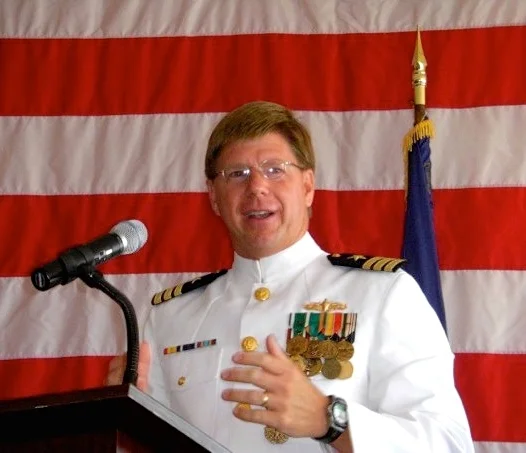
With two decades in academia preceded by a career as a U.S. Naval officer, Pat brings a unique, bicultural understanding to his research that has helped him build relationships and foster understanding across the civilian and military spheres. Through his extensive work as a foreign area officer (a diplomacy position) in Latin America, Pat developed an interest in civil-military relations, a topic that would become an area of research and specialization in his academic career. Today, Pat continues his work by speaking, writing, and advising organizations on how to improve and strengthen civil-military relations.
How do military officers remain apolitical in the politically-charged atmosphere in the U.S.?
What is the dual responsibility the military has to the executive and legislative branches?
Why are active duty military personnel inappropriate for domestic law enforcement operations?
What should a military officer do if they receive an illegal order? What about an unethical order?
Are there two spheres of influence - one civilian and the other military - in contemporary civil-military relations environment?
Do retired military officers have the right to criticize civilian defense officials?
Should senior military officers resign in protest if they do not agree with defense policy?
These questions are at the heart of Pat's research, informing many of his articles, lectures, and courses—at National Defense University and around the globe.
Pat's civil-military specializations include:
Speaking engagements and webinars
Training, education, and workshops
Research and writing
Geo-political strategy
For a complete list of Pat's civil-military speaking topics, visit his presentations page. To view his complete CV, click here. And to inquire about Pat's availability, contact him here.